
DMFirst account security in short: Protecting a DMFirst account starts with checking the website or application before entering login details, avoiding unknown APK files, using secure account credentials, and being cautious with messages or websites that request passwords, OTPs, payment information, or other sensitive details.
How Can You Keep a DMFirst Account Secure?
Account security is not limited to using a strong password. The website, application, device, network, and information you provide can all affect the security of an account.
For DMFirst users, the basic security checklist is:
- Check the website address before logging in.
- Use the current platform rather than an unknown third-party login page.
- Do not share passwords or OTPs with other people.
- Avoid installing APK files from unknown sources.
- Do not enter account details into websites reached through suspicious messages.
- Keep your browser and device updated.
- Review unexpected account or payment activity.
- Log out when using a shared or public device.
For broader information about platform and application safety, see the DMFirst Safety guide.
How to Identify a Fake DMFirst Login Page
A fake login page may be designed to look similar to a genuine website while attempting to collect usernames, passwords, OTPs, or other information.
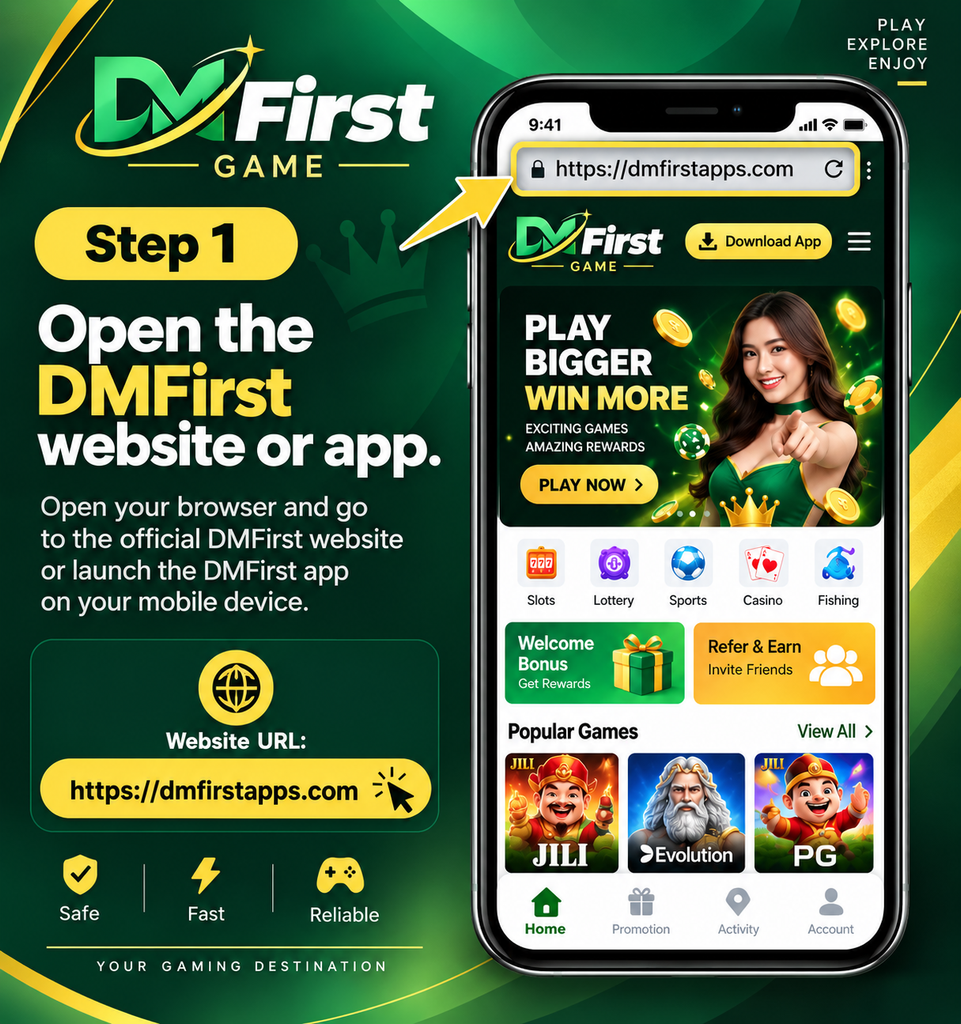
Before entering your details, check the full website address in the browser address bar. Do not rely only on the appearance of the page, logo, colors, or wording.
Be particularly careful if a page:
- Uses an unfamiliar domain.
- Arrives through an unexpected message or advertisement.
- Redirects through several unrelated websites.
- Requests unusually sensitive information.
- Creates urgent pressure to log in immediately.
- Promises a reward in exchange for account credentials.
- Asks you to download an unknown application before continuing.
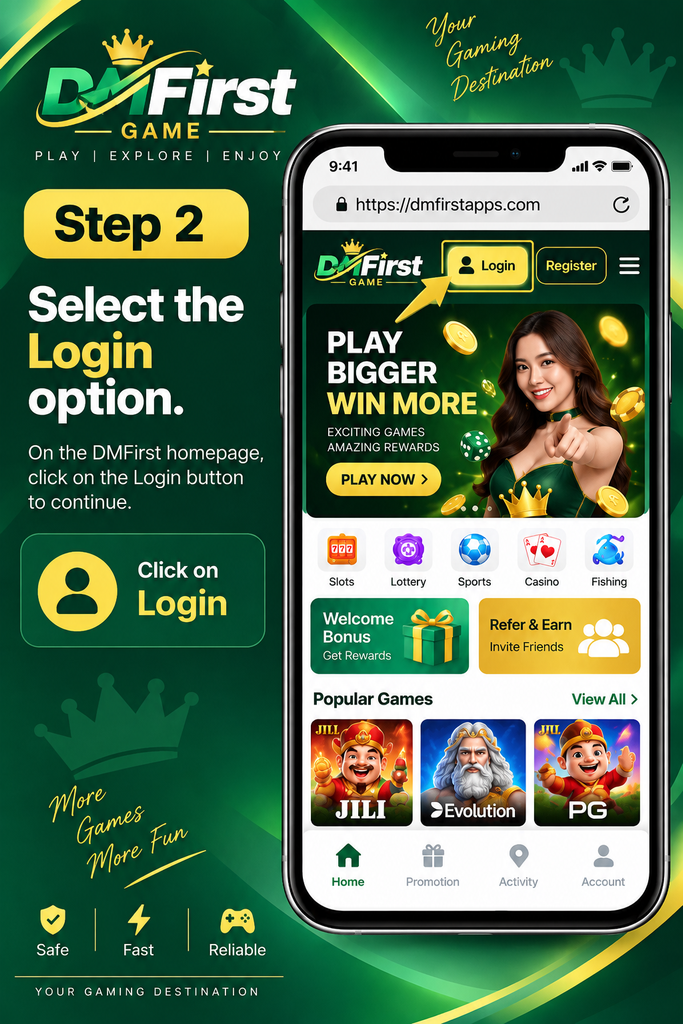
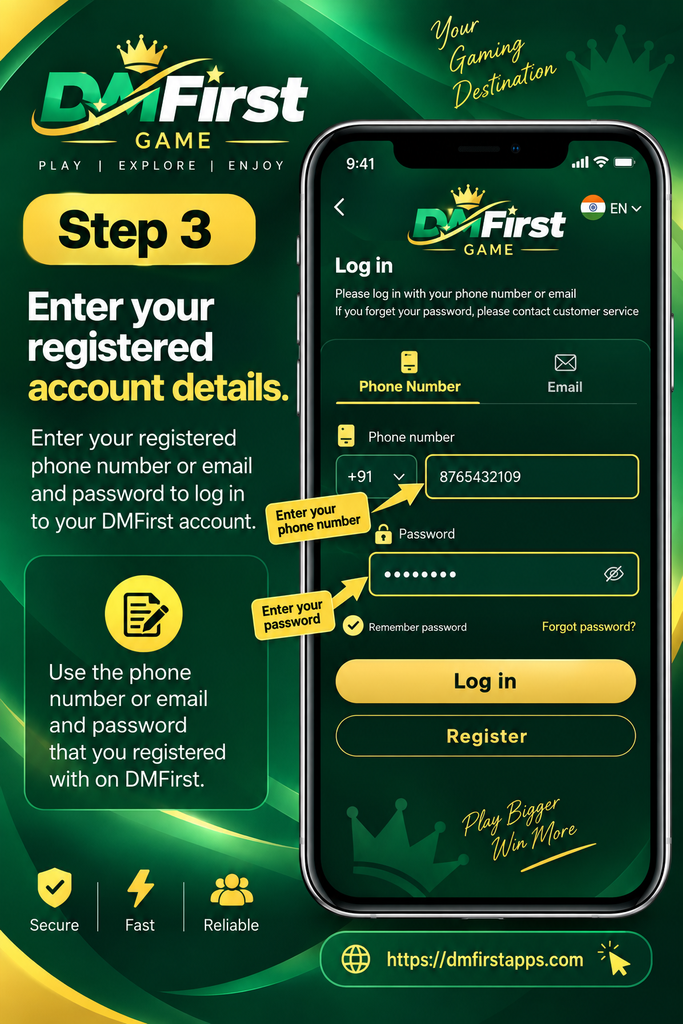
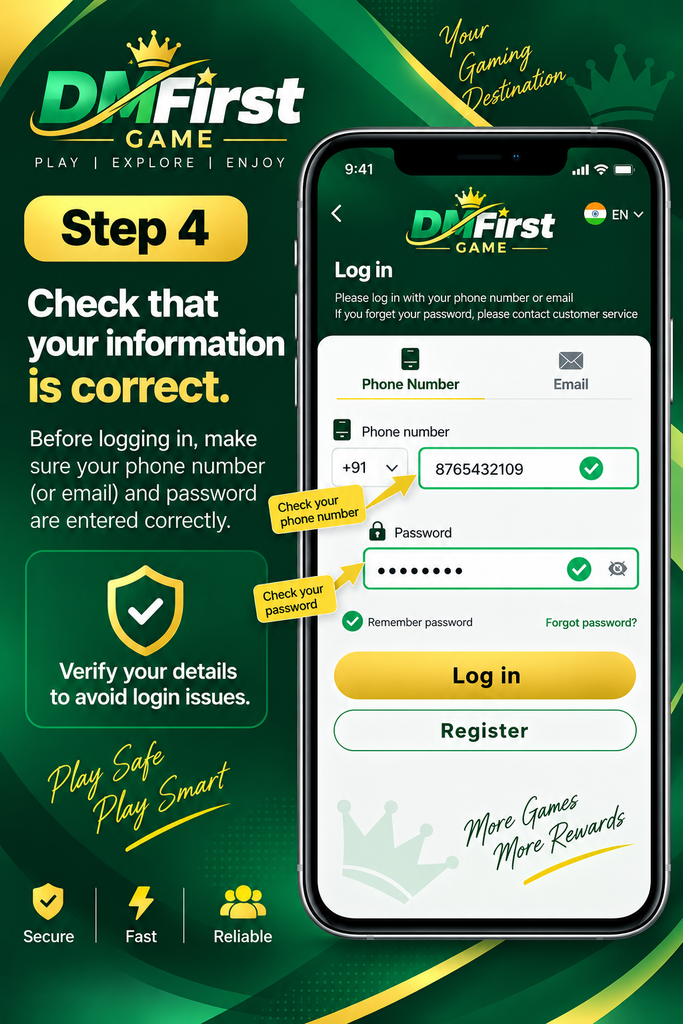
If you are unsure about the login process, first review the DMFirst Login guide.
How to Check the DMFirst Website Before Logging In
The safest basic habit is to verify the website address before entering account information.
Do not assume that a website is genuine simply because it contains the word “DMFirst” in its domain, page title, or URL path. Similar-looking names can be used by unrelated websites.
For a more detailed explanation of website verification, see DMFirst Official Website.
How to Stay Safe When Using a DMFirst APK
An APK is an Android application package. APK files obtained outside a trusted distribution channel require additional caution because the file’s origin and contents may not be obvious from the filename alone.
Before installing an APK, consider:
- Where the file came from.
- Whether the source is one you can verify.
- Whether the download page uses a suspicious redirect.
- Whether the file requests unnecessary permissions.
- Whether your device’s security tools identify a problem.
- Whether a browser version is available instead.
A file named “DMFirst.apk” is not automatically genuine simply because the filename contains the brand name.
Read the DMFirst App Download guide for additional information about app access and APK-related questions.
DMFirst APK vs Browser: Which Is Safer?
There is no universal rule that an APK is safer than a browser or that a browser is always safer than an application. The important factor is whether the software or website comes from a source you can verify.
A browser can reduce the need to install an unknown APK. On the other hand, an application obtained from a verified source may provide a different experience from a browser.
If you are deciding between these access methods, see the DMFirst APK vs Browser guide.
Never Share Your DMFirst Password or OTP
Passwords and one-time verification codes should be treated as private account information.
Do not give an OTP to someone simply because they claim to be customer support, an administrator, a representative, or another person connected with the platform.
Unexpected requests for passwords, OTPs, payment credentials, or account access should be treated cautiously.
Be Careful With DMFirst Bonus and Invite Code Offers
Promotional messages can sometimes be used to encourage users to visit a website or provide account information.
If you receive a message claiming that you have won a bonus or that you must log in immediately to claim an offer, verify the destination before entering any information.
For information about invite codes and promotional conditions, see the DMFirst Bonus and Invite Code guide.
Do not assume that a message, screenshot, or social-media post represents an official offer simply because it uses the DMFirst name.
What Should You Do If You Entered Your Password on a Fake Website?
If you believe that you entered your DMFirst credentials into a suspicious or fake website, take action promptly.
- Stop using the suspicious website.
- Change the affected password if you still have access to the account.
- Do not provide an OTP or additional information to anyone contacting you about the incident.
- Review recent account activity where available.
- Check whether any other accounts use the same password and change those passwords too.
- Remove unknown applications that were installed as part of the incident.
- Run the security tools available on your device.
If you can no longer access the account, use the appropriate account-recovery or support process rather than relying on an unofficial recovery service.
You can also review DMFirst Login Not Working for common account-access problems.
How to Protect a DMFirst Account on a Shared Device
Shared computers and phones create additional account-security risks.
- Do not save your password in a browser used by other people.
- Log out after completing your session.
- Avoid entering sensitive information on public computers.
- Do not allow another person to use an already logged-in account.
- Review browser downloads before opening files.
Private devices with current security updates are generally easier to control than public or shared devices.
How to Recognize Suspicious DMFirst Messages
Unexpected messages should be checked before clicking links or downloading files.
Warning signs can include:
- Urgent requests to log in.
- Claims that an account will immediately be blocked.
- Unexpected bonus or reward claims.
- Requests for passwords or OTPs.
- Links using unfamiliar domains.
- Requests to install an APK from an unknown source.
- Requests for payment information that you were not expecting.
A message can look professional and still lead to an unrelated website. Always check the destination separately.
Can a DMFirst Logo Prove a Website Is Genuine?
No. A logo, color scheme, screenshot, or copied website design does not by itself prove that a website is genuine.
Website verification should include checking the actual domain and considering how you reached the page.
This is especially important when searching for login, registration, APK download, or payment pages.
What If a DMFirst Account Shows Unexpected Activity?
If you notice activity that you do not recognize, avoid sharing additional information with anyone who contacts you unexpectedly.
Secure the account using the available account-management or recovery process and review recent activity where the platform provides that information.
If you cannot log in, use the DMFirst login troubleshooting guide.
DMFirst Account Security Frequently Asked Questions
How can I keep my DMFirst account safe?
Use a secure password, protect your OTP, verify the website before logging in, avoid unknown APK files, and do not share account credentials with other people.
How do I identify a fake DMFirst login page?
Check the complete website address rather than relying on the page design or DMFirst branding. Be cautious with unfamiliar domains, unexpected redirects, urgent requests, and requests for sensitive information.
Is every DMFirst APK safe?
No APK should be considered safe solely because its filename contains the DMFirst name. Check the source and avoid installing files from websites you cannot verify.
Should I share my DMFirst OTP?
No. An OTP is sensitive verification information and should not be shared with another person simply because they claim to represent a service or support team.
What should I do if I entered my password on a fake DMFirst website?
Stop using the suspicious website, change the affected password if possible, secure any other accounts using the same password, and review account activity. Avoid providing additional information to anyone who contacts you about the incident.
Can a DMFirst website be fake even if it has the correct logo?
Yes. Website appearance alone does not establish authenticity. Verify the actual domain and source before entering account information.
Is using a browser safer than downloading an APK?
Safety depends on the source and security of the specific website or application. A browser can avoid the need to install an unknown APK, while an application from a verified source may provide a different access method.
Related DMFirst Security and Account Guides
- DMFirst Safety
- DMFirst Official Website
- DMFirst Login
- DMFirst Register
- DMFirst App Download
- DMFirst APK vs Browser
- DMFirst Login Not Working
- DMFirst FAQ
Final Takeaway
DMFirst account security depends on more than the password used to access an account. Checking the website address, avoiding unknown APKs, protecting OTPs, reviewing suspicious messages, and using verified access methods can reduce common account-security risks.
Because websites, applications, access methods, and security requirements can change, verify the current information before entering credentials or installing software.